Fentanyl
Texas created a separate penalty group for fentanyl with enhanced punishment, and prosecutors treat these cases aggressively. Lab confirmation and accurate weight are critical.
Serving Frisco, Collin County & Denton County
Free, Confidential Consultation · 469-895-6555
A possession of a controlled substance (PCS) charge is usually a felony in Texas, even for amounts too small to see clearly. Al Rowland defends PCS cases in Collin and Denton County district courts, challenging the search, the lab results, and the claim that the drugs were yours.
After an arrest by Frisco police, you will typically be booked, appear before a magistrate who sets bond, and then be transferred to the Collin County or Denton County jail, depending on where the arrest occurred. Once released, the case is sent to the district attorney’s office for review.
The substance is sent to a crime lab for testing, which can take weeks or months. During that time, the most important work happens: gathering video, identifying search issues, and preparing to present your side to the prosecutor or grand jury.
Here is how possession charges escalate for Penalty Group 1 substances such as cocaine, methamphetamine, and heroin. Other penalty groups follow similar weight-based tiers.
| Weight (Penalty Group 1) | Offense level | Punishment range |
|---|---|---|
| Less than 1 gram | State jail felony | 180 days to 2 years in state jail |
| 1 to less than 4 grams | Third-degree felony | 2 to 10 years |
| 4 to less than 200 grams | Second-degree felony | 2 to 20 years |
| 200 to less than 400 grams | First-degree felony | 5 to 99 years or life |
| 400 grams or more | Enhanced first-degree felony | 10 to 99 years or life |
Felony fines can reach $10,000, and higher fines apply at the largest quantities. Weight includes any adulterants or dilutants mixed with the drug.
Some of the most serious drug cases in North Texas today involve pills, often counterfeit, and allegations of distribution.
Texas created a separate penalty group for fentanyl with enhanced punishment, and prosecutors treat these cases aggressively. Lab confirmation and accurate weight are critical.
Possessing someone else’s medication, or pills outside their original bottle, can lead to charges. A valid prescription is a defense, and so is lack of knowledge.
Police often infer sales from cash, baggies, or scales. Those items have innocent explanations, and we push back when the evidence only supports personal use.
If the stop lacked reasonable suspicion, the search lacked consent or a warrant, or the detention was unreasonably prolonged, we move to suppress the evidence.
When others had access to the car, room, or bag, Texas law requires evidence affirmatively linking you to the drugs, not just proximity.
We review lab methods, analyst qualifications, and how weight was calculated, which can determine the offense level.
Treatment, employment, and a clean history can support diversion, reduced charges, or probation instead of incarceration.
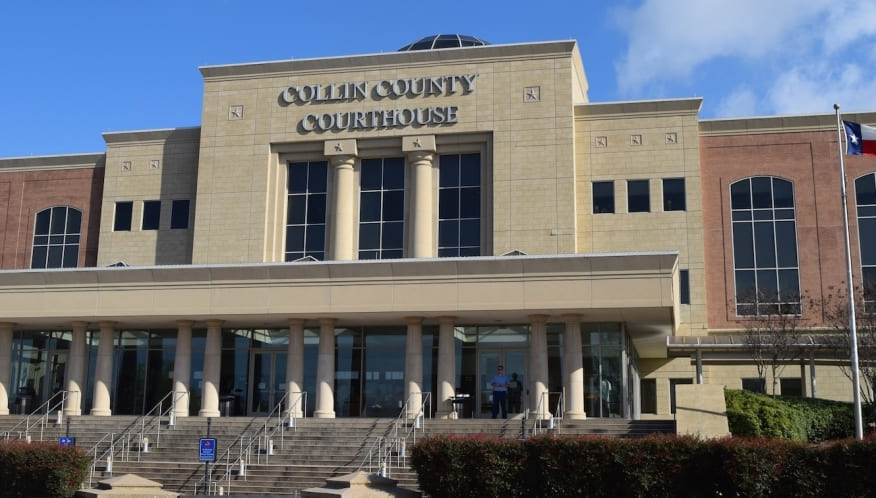
Felony drug cases from Frisco are prosecuted in the Collin County District Courts in McKinney or the Denton County District Courts in Denton. Before a felony case can proceed, a grand jury must decide whether to indict.
Arrest and bond. A magistrate sets bond and conditions, which may include drug testing.
Grand jury review. We can submit a defense packet asking the grand jury to decline to indict (a “no-bill”).
Pretrial motions and negotiation. Suppression hearings and lab challenges create leverage.
Resolution or trial. Dismissal, reduction, diversion, probation, or a jury trial.


Not always. Small amounts of Penalty Group 3 and 4 substances can be misdemeanors. But possessing any amount of a Penalty Group 1, 1-B, 2, or 2-A substance is generally at least a state jail felony.
Often, yes. Many first-time possession cases are resolved through probation, deferred adjudication, or diversion programs. Eligibility depends on the amount, the substance, and your criminal history.
It varies, but felony drug cases commonly take several months or longer, in part because of crime-lab testing timelines and grand jury review. Early defense work can shape the outcome during that time.
A valid prescription is a defense to possession of that medication. Keep pharmacy records and the original bottle, and share them with your attorney rather than with police.
Early action can influence whether you are indicted at all. Contact us for a free, confidential case review.
469-895-6555 Law Office of Al Rowland, PLLCYour request has been received, and we will be in touch shortly. If you have been indicted or have a court date soon, please call 469-895-6555.